The Glossy Ibis
Plegadis falcinellus
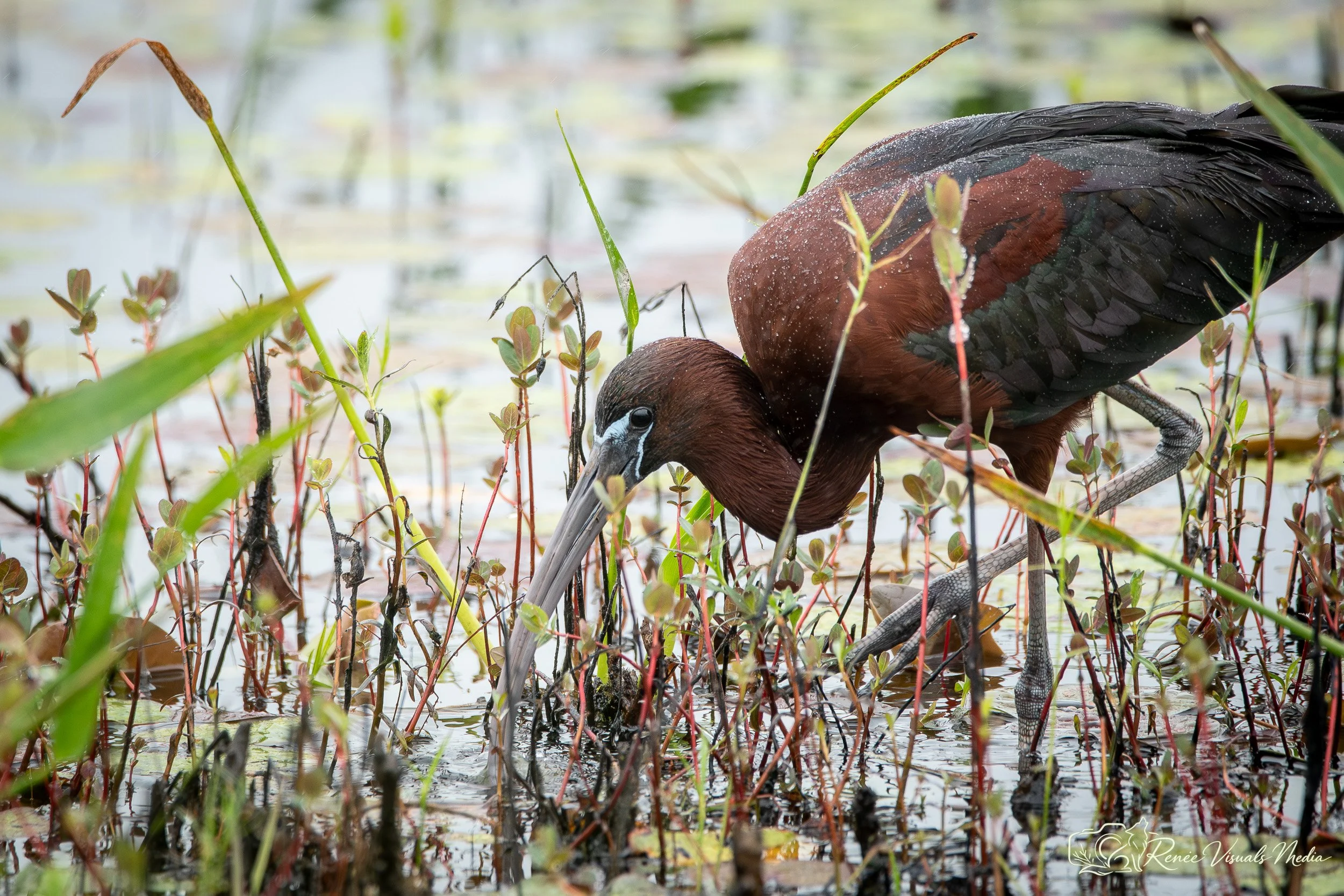
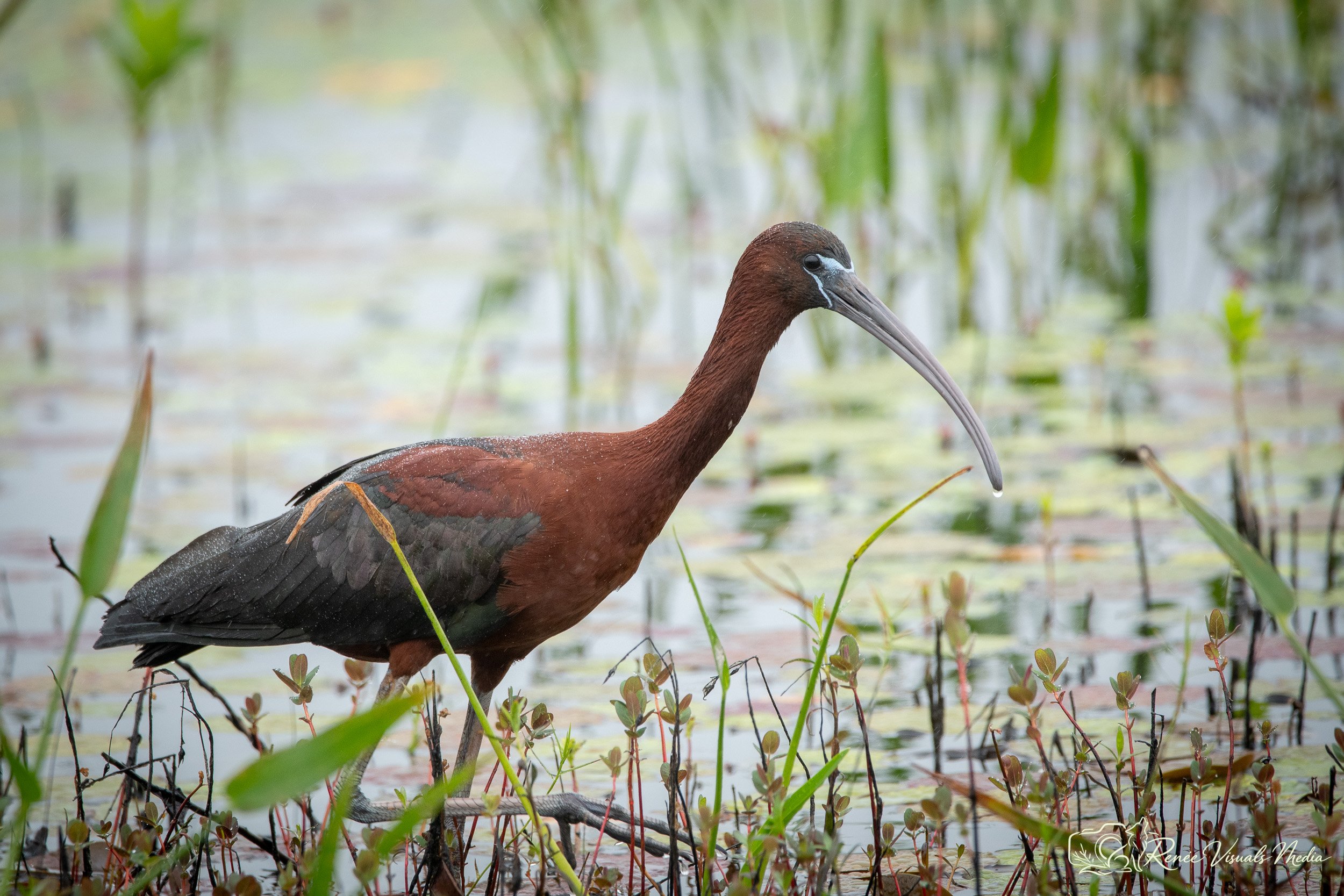
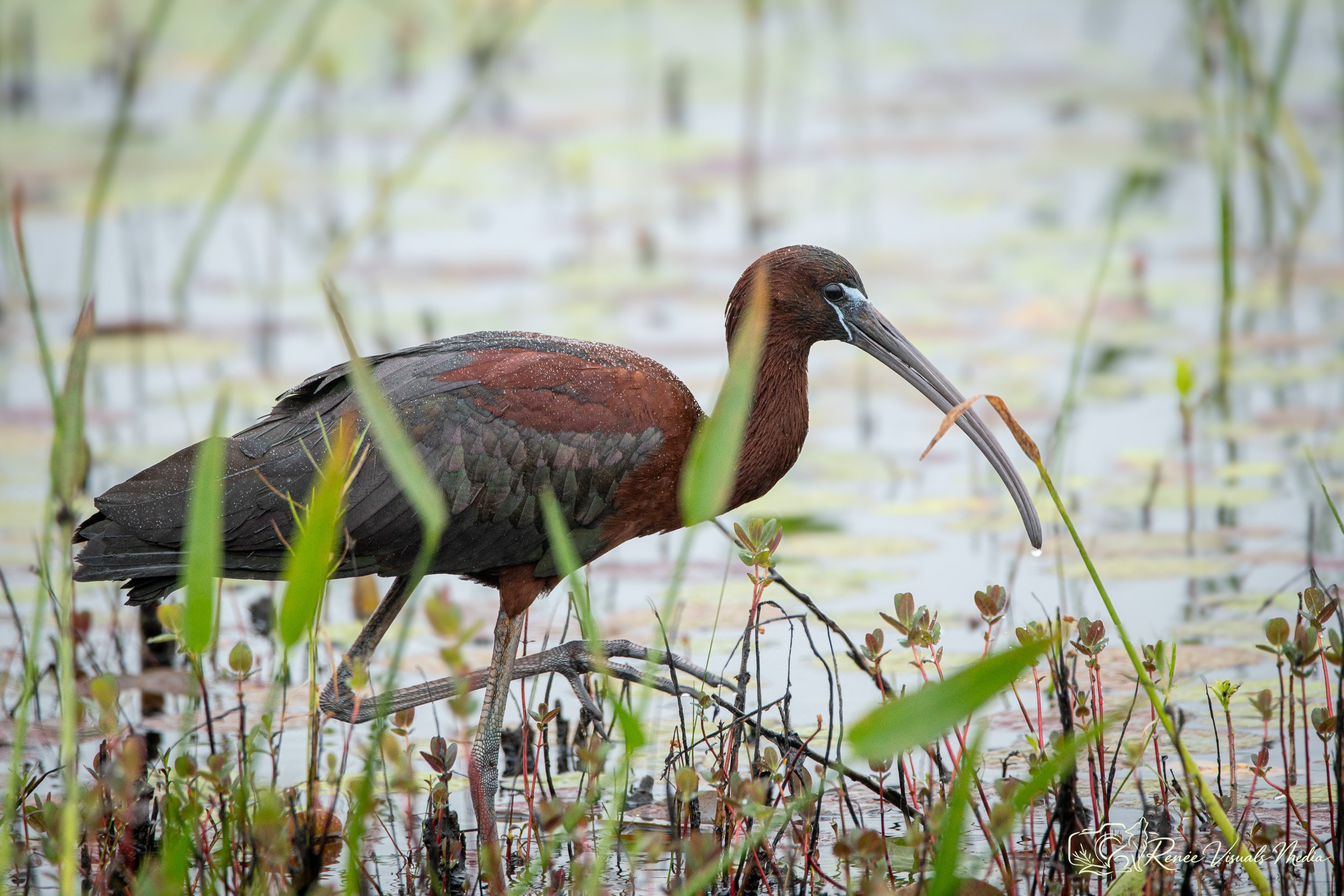
Once considered uncommon in Massachusetts, these elegant wetland specialists have become increasingly common in recent decades. Their long, down-curved bills are perfectly adapted for probing soft mud, where they feed on aquatic insects, crustaceans, small fish, amphibians, and other invertebrates.
Every meal is another small contribution to the health of the wetland, helping regulate prey populations and recycle nutrients through one of our most productive ecosystems.
Although the Glossy Ibis is listed as Least Concern globally by the IUCN, it is recognized as a Species of Greatest Conservation Need in Massachusetts due to the state’s relatively small breeding population and the importance of protecting coastal marshes and nesting colonies.
Glossy Ibises are also protected under the Migratory Bird Treaty Act (MBTA), which safeguards native migratory birds, their nests, eggs, and feathers.
Want to help these incredible birds? Protecting wetlands starts with simple actions:
Stay on designated trails and give nesting birds plenty of space.
Pack out all trash and fishing line.
Observe wildlife from a respectful distance without flushing feeding or resting birds.
Support local wetland conservation and habitat restoration efforts whenever you can.
Definitely not a bird I expected to stumble across on today’s hike…but I’m certainly not complaining.
