The Great Blue Heron
Ardea herodias
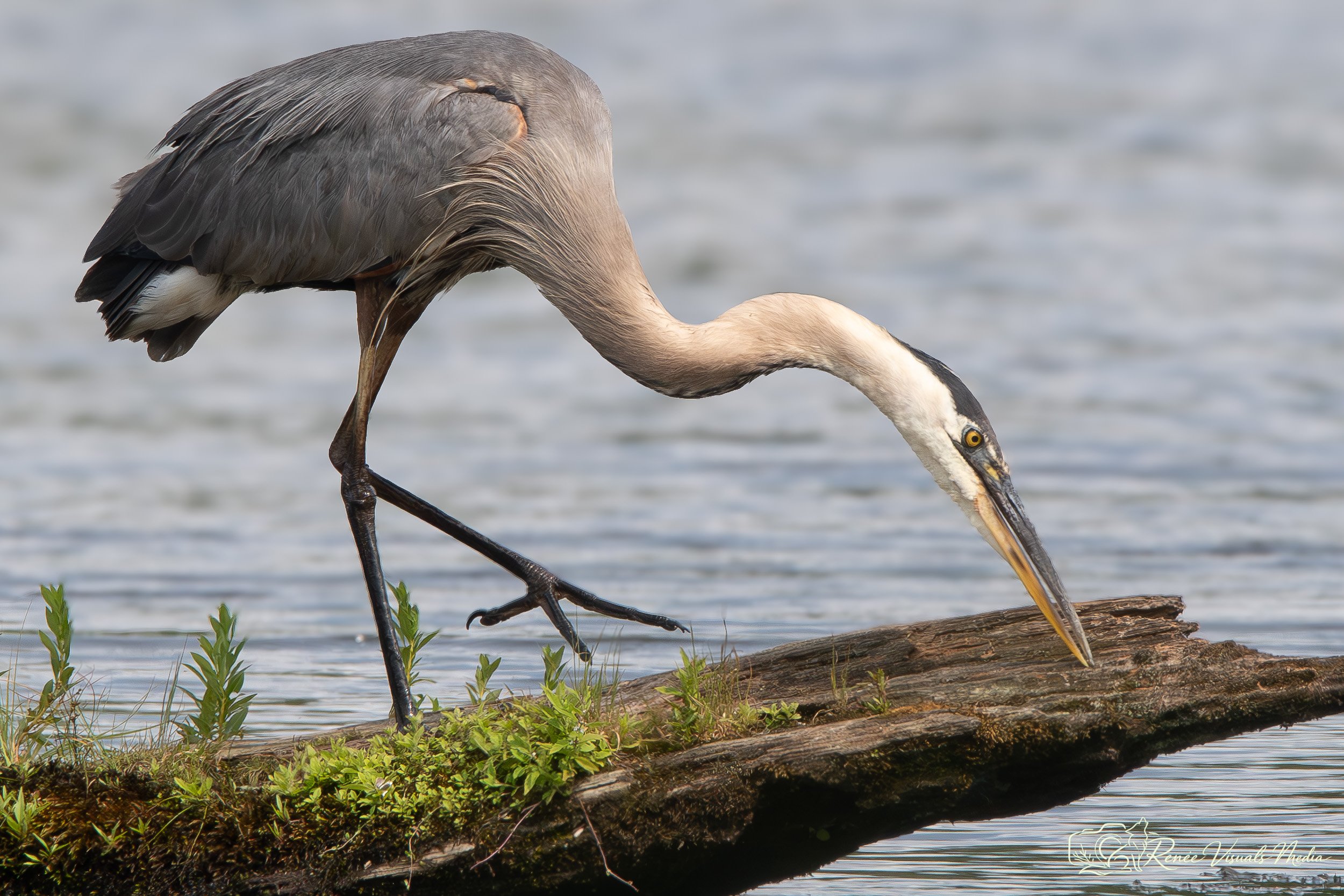
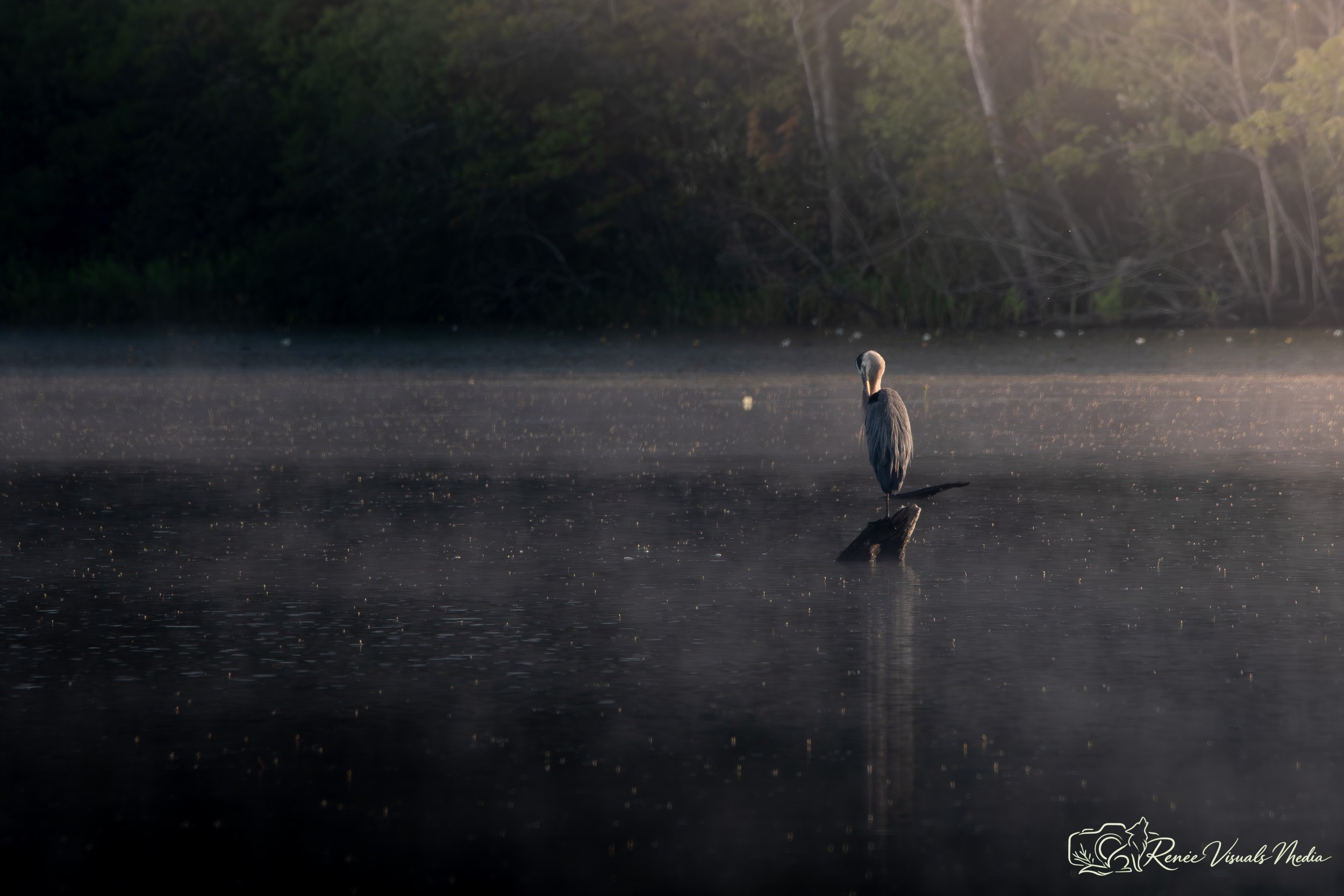
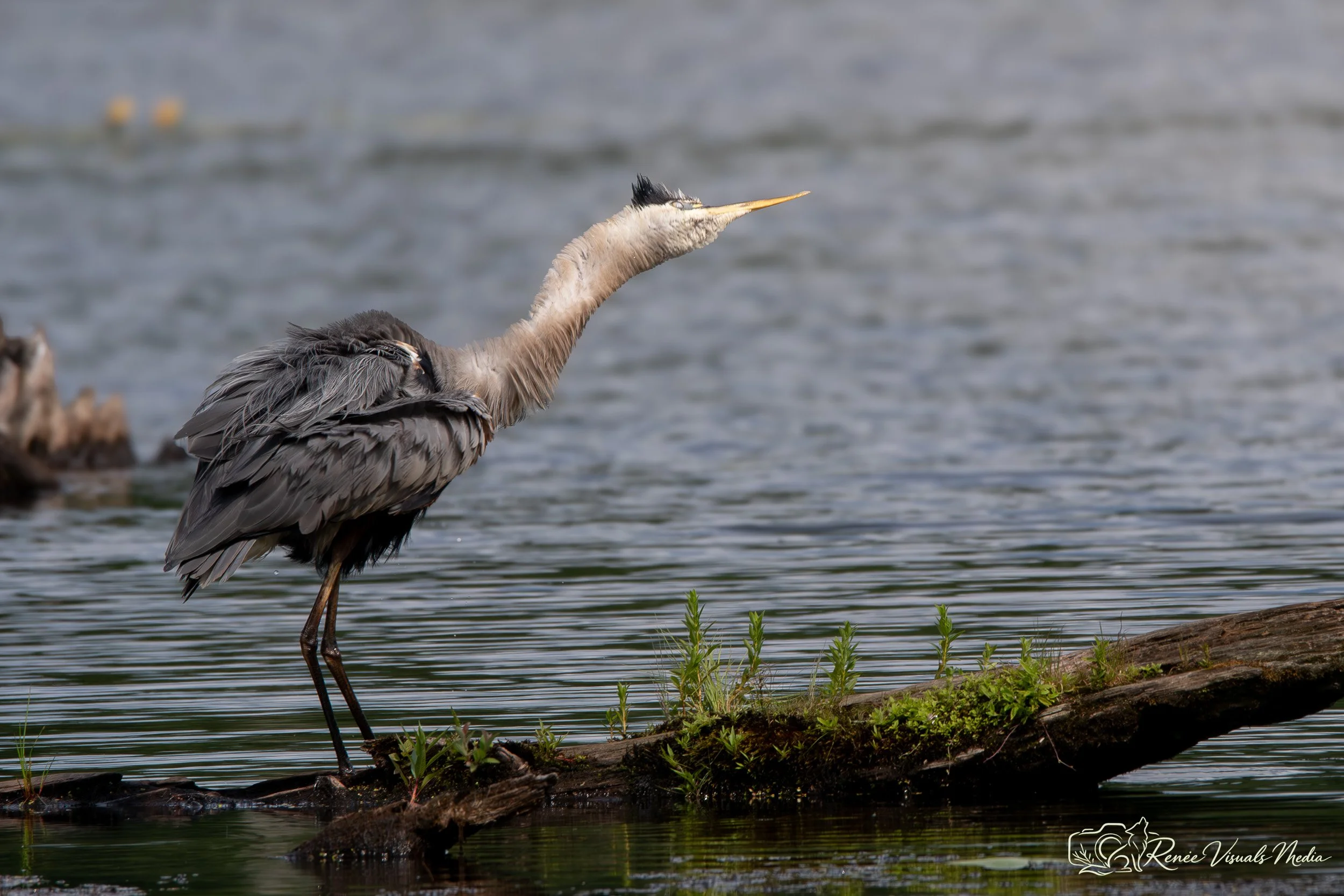
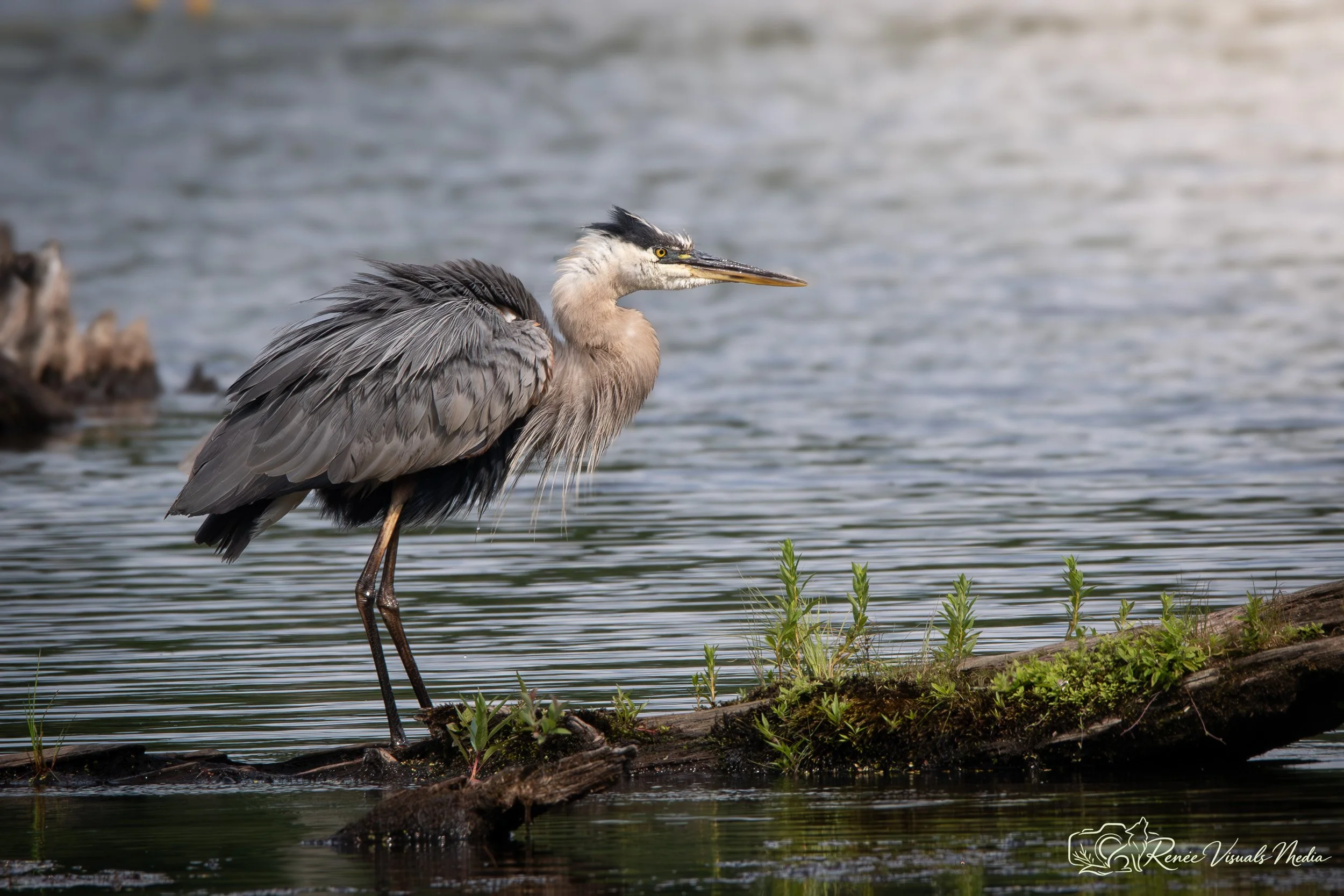
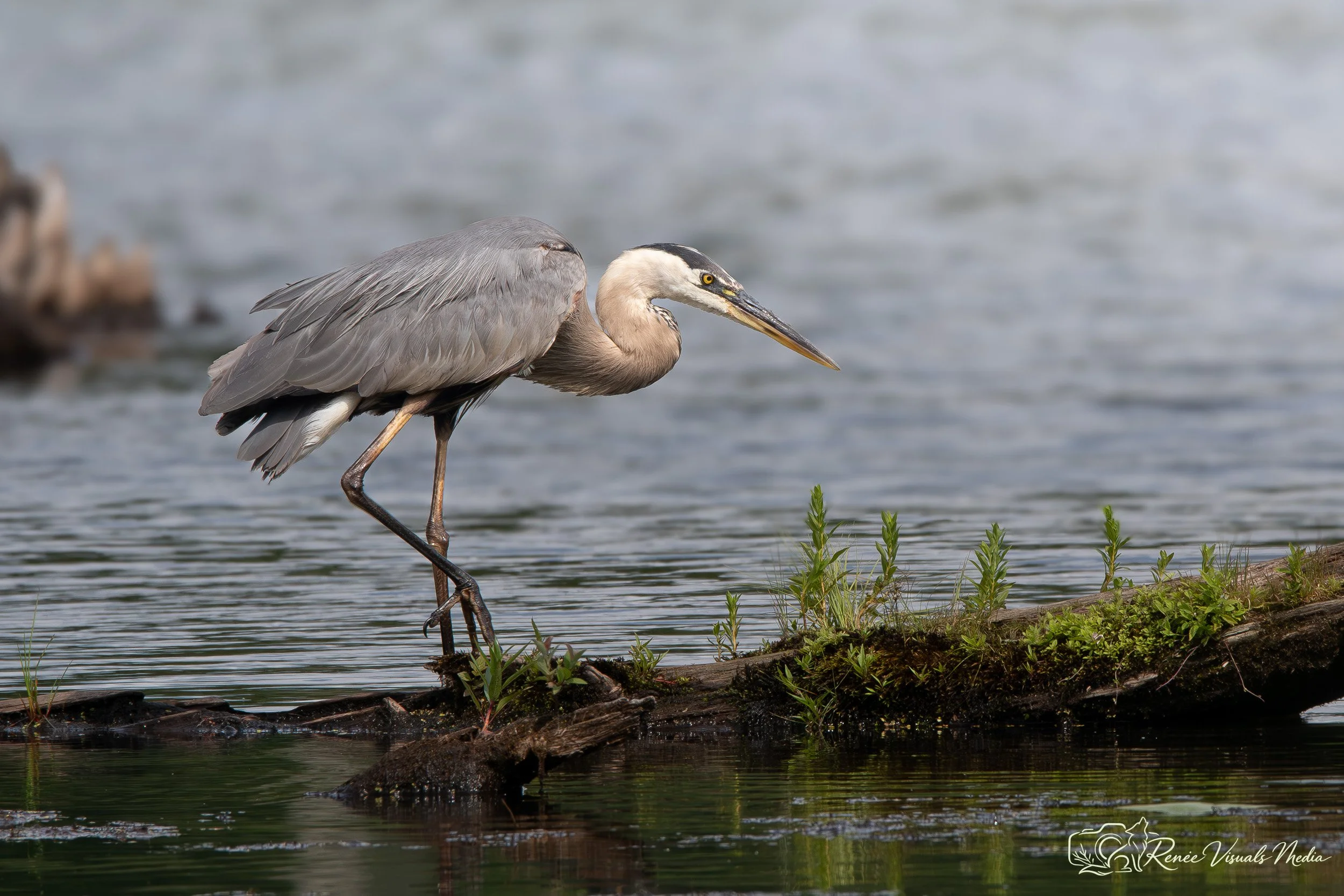
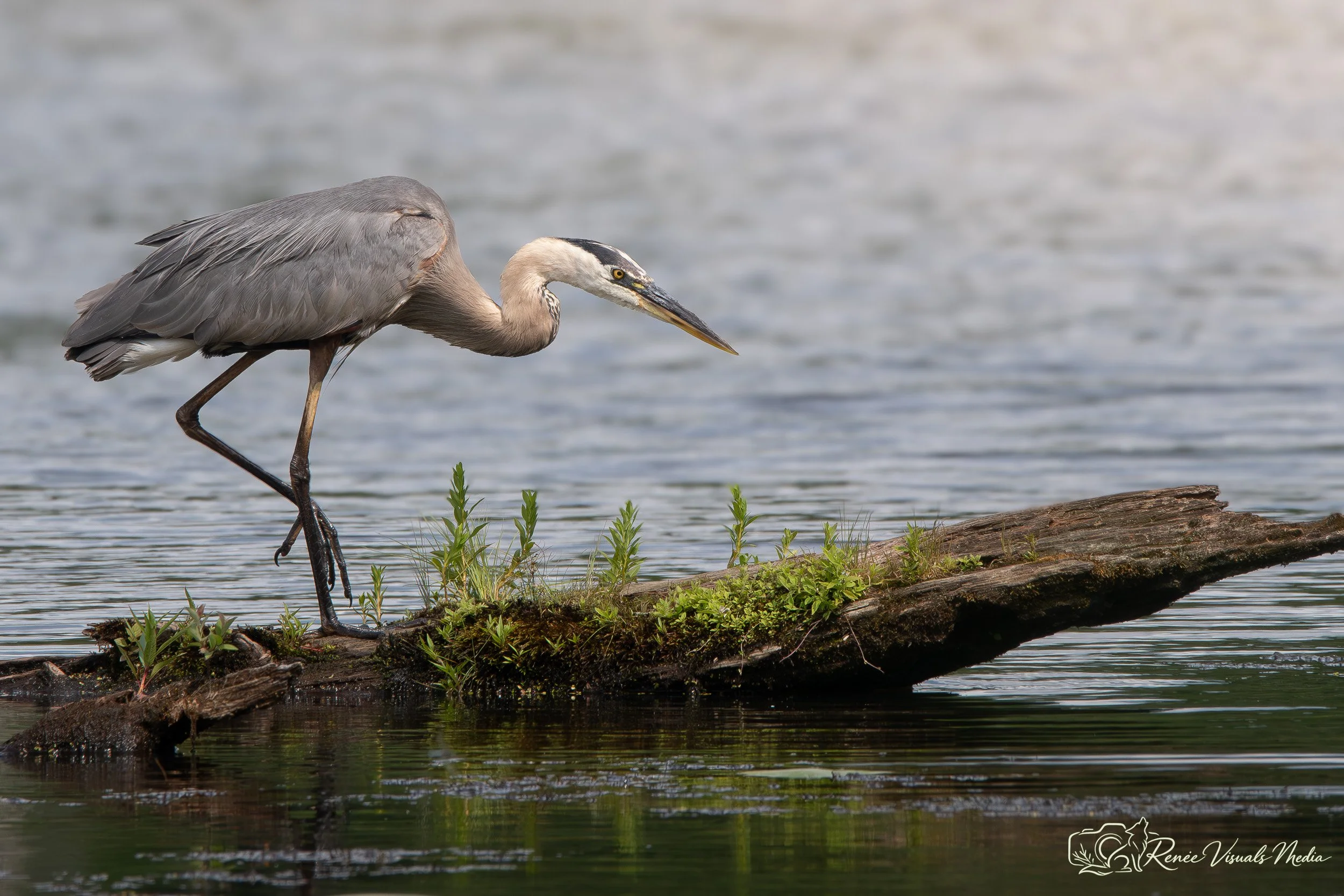
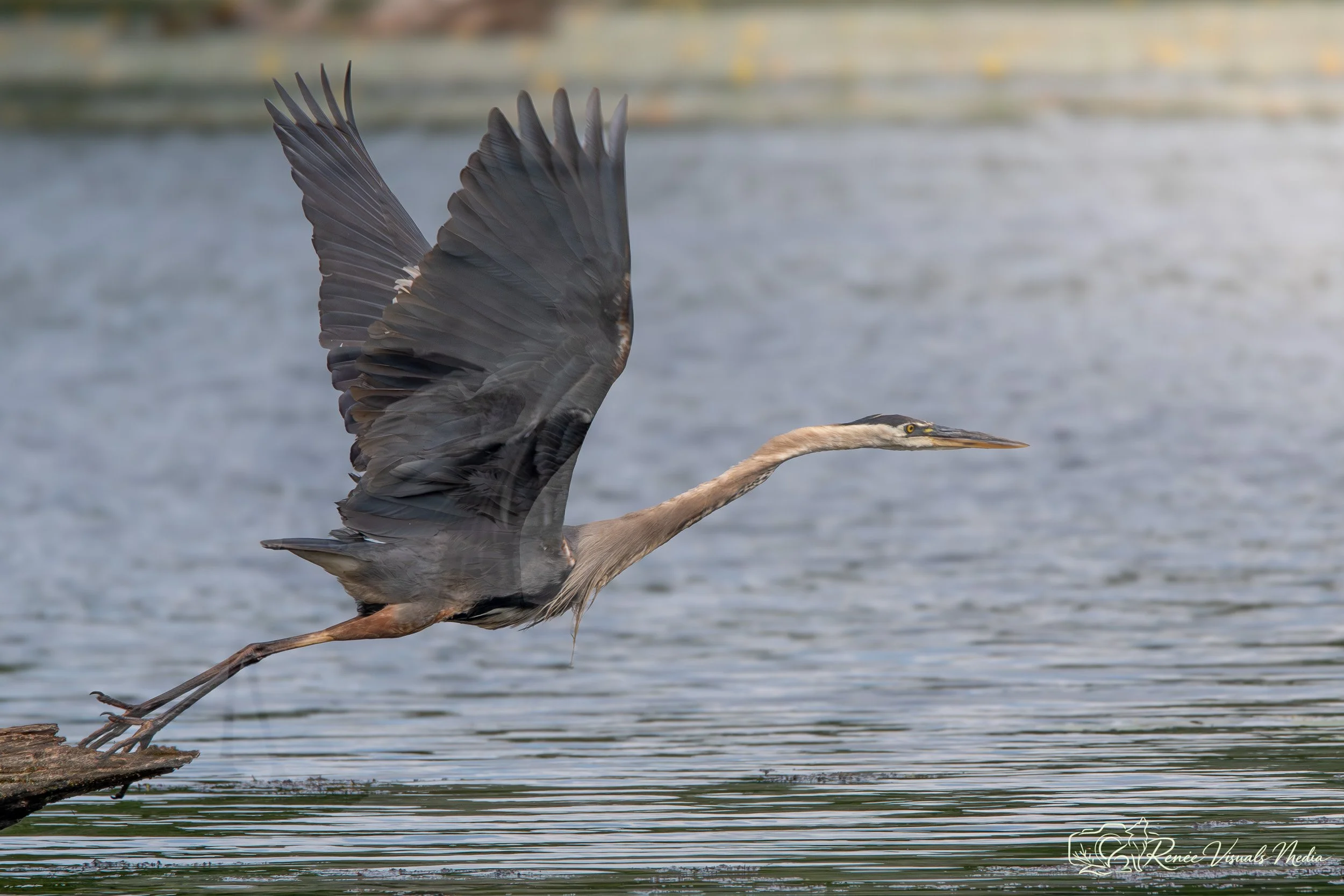
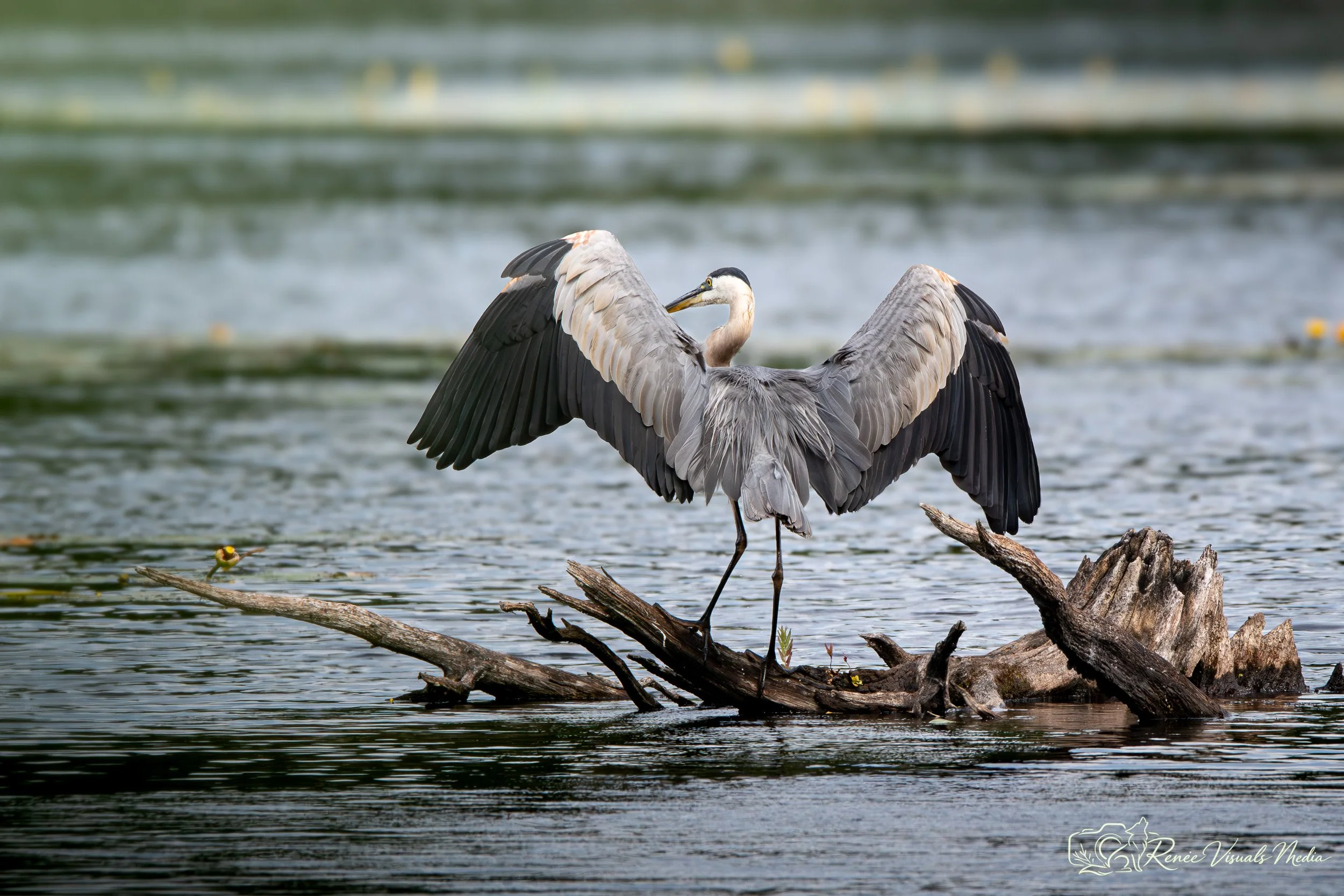
Meet the great blue heron: part elegant wetland sentinel, part prehistoric swamp cryptid, and apparently part yoga instructor.
These long-legged hunters can stand almost perfectly still while watching the water, then fire that folded neck forward to snatch prey with astonishing speed. Fish make up much of their menu, but frogs, salamanders, snakes, insects, crayfish, rodents, and even small birds may also become lunch. The bill may look ornamental, but it is essentially a face-mounted fishing spear.
Great blue herons are important predators in freshwater and coastal wetland food webs. By feeding on animals from several different parts of the ecosystem, they help shape aquatic and shoreline prey communities. They also depend on productive wetlands for food and relatively undisturbed places for nesting, making wetland protection essential to their continued success.
Great blue herons are currently considered a species of low conservation concern overall, but they are not invincible. Local populations can be affected by wetland loss, degraded water quality, chemical pollution, and human disturbance around nesting colonies. Discarded fishing line, hooks, and other tackle can also entangle or seriously injure herons and countless other animals.
A few ways we can help:
Pack out every piece of fishing line and tackle
Pick up discarded line when it is safe to do so
Give herons plenty of space, especially near nesting colonies
Support wetland protection and clean-water projects
Contact a licensed wildlife rehabilitator if you find an injured or entangled heron rather than attempting to catch it yourself. That bill is not decorative
This particular heron gave me the entire runway collection: wings spread, neck stretched, feathers fluffed, and then straight back to serious swamp business.
